Wise Tax Planning Strategies for you & your Business
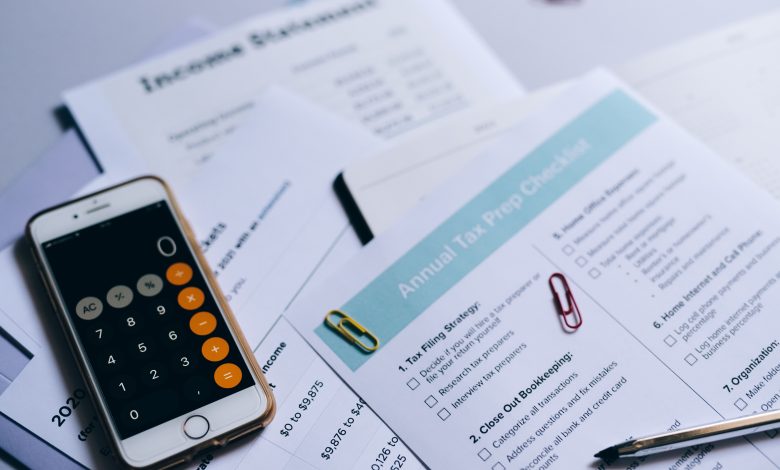
Wise Tax Planning Strategies for You & Your Business
Effective tax planning is more than just filing returns on time. It involves making informed financial decisions throughout the year to legally reduce tax liability while supporting long-term financial goals. Whether you are an individual taxpayer, freelancer, entrepreneur, or business owner, a smart tax strategy can help you retain more of your hard-earned money and improve financial stability. By understanding available deductions, credits, and tax-saving opportunities, you can avoid unnecessary expenses and stay compliant with tax laws.
Understand Your Tax Obligations
The first step in effective tax planning is understanding your tax responsibilities. Individuals should know their income tax brackets, deductions, and filing deadlines. Business owners must also stay informed about corporate taxes, payroll taxes, sales taxes, and other applicable obligations. Keeping track of changing tax regulations ensures compliance and helps identify new opportunities for tax savings.
Consulting a qualified tax professional can also help you understand complex tax rules and avoid costly mistakes.
Keep Accurate Financial Records
Maintaining organized financial records is essential for successful tax planning. Save receipts, invoices, bank statements, payroll records, and expense reports throughout the year. Digital accounting software can simplify record-keeping and provide accurate financial reports whenever needed.
Proper documentation supports your tax claims, minimizes errors, and makes audits less stressful. Organized records also help identify deductible expenses that might otherwise be overlooked.
Maximize Tax Deductions
One of the most effective ways to reduce taxable income is by claiming all eligible deductions. Business owners may deduct expenses such as office rent, equipment, internet services, marketing costs, employee salaries, travel expenses, and professional services.
Individuals can also benefit from deductions related to retirement contributions, education expenses, home office use, charitable donations, and healthcare costs, depending on applicable tax laws. Reviewing available deductions annually ensures that no valuable opportunities are missed.
Take Advantage of Tax Credits
Unlike deductions, tax credits directly reduce the amount of tax owed, making them especially valuable. Many governments offer tax credits for research and development, renewable energy investments, employee training, hiring initiatives, and family-related expenses.
Business owners should regularly review available incentive programs that encourage investment, innovation, and job creation. Claiming eligible tax credits can significantly lower annual tax bills.
Plan Business Investments Wisely
Timing major purchases and investments can have important tax implications. Purchasing equipment, upgrading technology, or expanding operations before the end of the financial year may qualify for depreciation benefits or immediate deductions.
Similarly, delaying income or accelerating deductible expenses when appropriate can improve tax efficiency. Every investment decision should be evaluated from both a business growth and tax planning perspective.
Prepare for Future Tax Liabilities
Successful tax planning is an ongoing process rather than a once-a-year activity. Set aside funds regularly for estimated taxes to avoid cash flow problems and penalties. Quarterly reviews of income, expenses, and projected tax obligations help identify adjustments before year-end.
Working with financial advisors or accountants throughout the year provides valuable guidance and allows proactive decision-making instead of last-minute tax planning.
Conclusion
Wise tax planning helps individuals and businesses improve financial health while remaining fully compliant with tax regulations. By maintaining accurate records, maximizing deductions and credits, planning investments strategically, and reviewing finances regularly, you can legally minimize your tax burden and strengthen long-term financial success. A proactive approach to tax planning not only saves money but also provides greater confidence, stability, and opportunities for future growth.