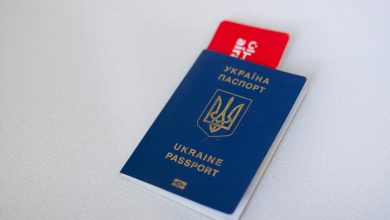
Do I Need to Legalize Documents?

Do I Need to Legalize Documents?
If you’ve ever planned to study, work, or do business abroad, you’ve probably come across the term “document legalization.” It sounds complicated, but the idea is fairly simple. Document legalization is the process of verifying that your documents are genuine so they can be accepted in another country. The real question is whether you actually need it.
What Is Document Legalization?
Document legalization is a chain of authentication steps. It confirms that a document issued in one country is valid and can be trusted in another. This often involves government departments, embassies, or consulates.
For example, if you’re moving abroad for a job, your educational certificates or birth certificate may need to be legalized. This assures foreign authorities that your documents are real and officially recognized.
When Do You Need to Legalize Documents?
You typically need document legalization when dealing with international matters. Common situations include applying for a student visa, getting a work permit, starting a business overseas, or even getting married in another country.
Let’s say you’re planning to study in Europe. The university might ask for legalized copies of your academic records. Without them, your application could be delayed or even rejected.
Another example is employment abroad. Many employers require legalized documents to confirm your qualifications before offering a contract.
When You Might Not Need It
Not all situations require document legalization. Some countries have agreements that simplify the process. For instance, if both countries are part of the Hague Apostille Convention, you may only need an apostille instead of full legalization.
In other cases, if your documents are being used within your own country, there is usually no need for legalization. It’s mainly required when documents cross international borders.
Types of Documents That Often Require Legalization
Certain documents are more commonly legalized than others. These include educational certificates, marriage certificates, birth certificates, and business documents.
Commercial documents such as invoices, contracts, and company registration papers may also need legalization if you’re expanding your business internationally. The exact requirements depend on the country you’re dealing with.
How the Process Works
The process usually starts with local authentication. This could be a notary or a government office verifying the document. After that, the document may go through higher authorities, such as a foreign affairs department.
Finally, the embassy or consulate of the destination country verifies the document. Each step confirms the authenticity of the previous one.
The process can take time, so it’s a good idea to plan ahead. Missing deadlines because of incomplete paperwork is more common than people expect.
Things to Keep in Mind
Always check the specific requirements of the country you’re dealing with. Rules can vary widely. Some countries are strict and require multiple steps, while others have simpler procedures.
Also, make sure your documents are complete and accurate before starting. Even a small error can delay the process.
If you’re unsure, professional services can help guide you through the process and save time.
Conclusion
So, do you need to legalize your documents? The answer depends on your situation. If you’re dealing with international travel, education, employment, or business, the chances are high that you will.
It may feel like an extra step, but document legalization plays an important role in ensuring trust between countries. Understanding when and how to do it can save you time, stress, and potential setbacks. Planning ahead and knowing the requirements will make the process much smoother