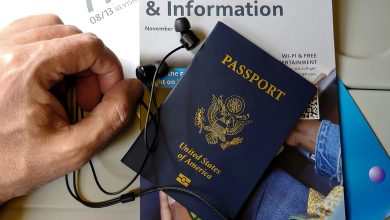
Children with Dual Citizenship Must Be Registered Immediately

Children with Dual Citizenship Must Be Registered Immediately
Dual citizenship offers children valuable opportunities, but it also comes with legal responsibilities that parents often overlook. One of the most important is timely registration. When a child is entitled to citizenship in more than one country, registering that status as early as possible is not just good practice. In many cases, it is a legal requirement.
Registration usually begins at birth. If a child is born in one country to parents who are citizens of another, both governments may require formal notification. This often means registering the birth with a civil authority in the country of birth and also reporting it to the relevant embassy or consulate. Delays can create complications that are far harder to fix later.
One reason immediate registration matters is identity documentation. Without proper registration, a child may not qualify for a passport, national ID, or birth certificate that reflects both citizenships. These documents are essential for travel, school enrollment, healthcare access, and government services. A missing or incomplete record can cause problems at borders or during official checks, especially as the child grows older.
Another key issue is compliance with national laws. Some countries require parents to declare a child’s dual nationality within a fixed period, sometimes within months of birth. Missing these deadlines may lead to fines, loss of certain rights, or in rare cases, denial of citizenship recognition. Even countries that allow dual citizenship often enforce strict reporting rules.
Registration also protects a child’s future legal rights. Citizenship can affect inheritance, property ownership, education benefits, and the right to live or work in a country as an adult. If citizenship is not properly recorded early on, the child may later be treated as a foreign national and forced into lengthy legal processes to prove a status they were entitled to from birth.
Parents should also consider travel risks. A child traveling with only one nationality documented may face visa requirements or restrictions that would not apply if both citizenships were officially recognized. In emergencies, consular assistance can also be limited if the child’s status is unclear or disputed.
The process of registration is usually straightforward when done early. It typically involves submitting a birth certificate, parents’ citizenship documents, and completed application forms. Embassies and civil registries are generally equipped to guide parents through the steps. Waiting too long often means more paperwork, higher costs, and additional legal verification.
Parents should not assume that citizenship is automatic or that it can be sorted out later without consequences. Laws change, records get harder to retrieve, and proof becomes more difficult with time. Acting early is the safest and most responsible approach.
Conclusion
Registering a child with dual citizenship immediately is a critical step that protects their legal identity, rights, and future opportunities. Early registration reduces risk, avoids legal trouble, and ensures smooth access to essential services. For parents, taking action promptly is not just about paperwork. It is about securing certainty and stability for their child’s life ahead.